![[S2S] After-sun Care - Stream2Sea](http://stream2sea.com/cdn/shop/collections/SPF30_and_Sun_Sting_Gel.jpg?v=1780532294&width=1500)


UPDATE, June 2026:
Well, the data came in. On June 9, the FDA added bemotrizinol (aka PARSOL® Shield) for use in U.S. sunscreens, the first new sunscreen ingredient approved in nearly 30 years. The agency reviewed human safety studies, looking at how much gets absorbed into the skin and whether it causes reactions, and concluded it's safe and effective at up to 6%.
When first we wrote this article, we said: before we embrace new filters, show us the data first, for both people and the planet. When it comes to people, the FDA has done exactly that.
However... the FDA looks at what an ingredient does to your skin. It does not evaluate what it does to coral larvae, fish embryos, or freshwater ecosystems once it washes off your skin. We have not yet seen published aquatic toxicity data on bemotrizinol at the standard we hold our own formulas to, and until we do, we won't make assumptions in either direction.
So our position is the same one we started this company with: we test before we tell you something is safer. If credible ecotoxicity data on bemotrizinol emerges, we'll review it and report back honestly, whatever it says.
You can read the original article below.
The sunscreen game is constantly evolving, and bemotrizinol (also known under the branded names Tinosorb S and PARSOL® Shield) is the latest player making waves. Promoted as a safer and more effective UV filter, this ingredient has been used for years in Europe, Australia and Japan. Yet, as it inches closer to approval in the U.S., there are some important questions that need to be answered, particularly when it comes to both human and environmental safety.
While the introduction of new sunscreen ingredients like bemotrizinol might seem like a step forward, we want to take a moment to explore its potential impact for our health and our oceans.

What is Bemotrizinol, and Why Are We Hearing About It Now?
Bemotrizinol is a chemical UV filter. Its advocates promote it as an effective, safer alternative to traditional filters like benzophenones and salicylates.
This ingredient is now being considered for use here in the United States, where sunscreens are regulated as drugs by the FDA. This means that for an ingredient to be approved, extensive human safety data must be provided, a process that can be long and contentious.
In other parts of the world, sunscreens are classified as cosmetics, which makes it easier to bring new ingredients to market without the rigorous testing requirements we have here. This has led to a push from industry lobbyists to deregulate sunscreens in the U.S., bypassing the need for extensive human safety data altogether.
But should we embrace bemotrizinol, or any new sunscreen filter, without full transparency and data?
The Missing Data: Human Safety and Ecotoxicity

Here’s the thing: we still don’t know if bemotrizinol is actually safer for humans or marine life. The evidence is simply not there.
While the industry claims that Bemotrizinol is a 'safer' UV filter than its predecessors, its actual impact on our bodies and the environment remains unclear. We have yet to see definitive data on whether Bemotrizinol is absorbed into the body or bioaccumulates in the same way other chemical UV filters have been shown to. This is a major concern for us at Stream2Sea.
Proponents argue that because bemotrizinol is a larger molecule, it is less likely to penetrate the skin and remain in the body. While this might sound promising, at Stream2Sea we don’t believe in making assumptions. We believe in science. And until we see data that says it’s as safe as possible, we’re not ready to call this new ingredient a winner.
What Does the FDA Say About Sunscreens?

Sunscreen safety has been under the microscope recently, and it’s about time. With the rise of awareness about reef safety, particularly after Hawaii banned chemical sunscreens like oxybenzone and octinoxate, the FDA launched the MuST Trial to test how much sunscreen actually gets absorbed into the body. And guess what? The results were a shocker. In just one day, ALL chemical sunscreen ingredients tested exceeded safe blood serum levels… prompting the FDA to hit pause on the trial.
As a result, the FDA removed the GRASE (Generally Recognized as Safe and Effective) designation from all sunscreen ingredients except titanium dioxide and zinc oxide. But the industry still hasn’t provided enough data on the other filters to prove they’re safer. That’s a huge gap in our knowledge.
Why We Need More Data
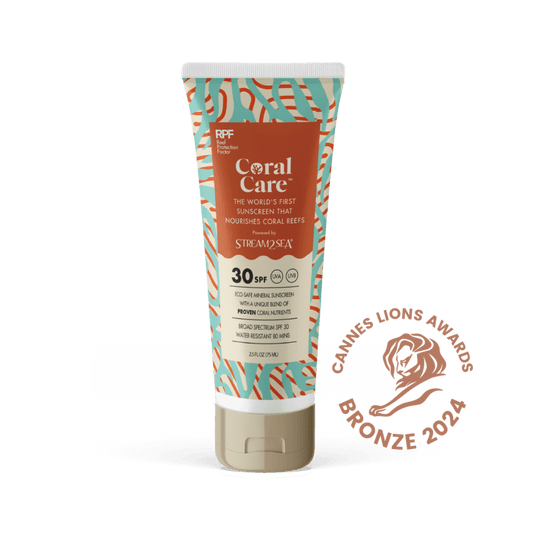
At Stream2Sea, we believe that both human and environmental safety data should be non-negotiable before embracing new sunscreen filters. We are committed to rigorous testing and transparency, which is why, from the very start, we invested heavily in studies from aquatic toxicity and safety before we sold our first tube of sunscreen to the most recent tests on Coral Care showing its capacity to help coral grow.
Until real, credible data is available, we recommend caution. Lobbyists may be pushing to deregulate sunscreens and waive important safety requirements, but at Stream2Sea, we will continue to prioritize tested, mineral-based formulas, like our non-nano zinc oxide sunscreens, which have been proven safer for both your skin and marine ecosystems.

Making Better Choices Today
In the absence of more data on ingredients like bemotrizinol, you don’t have to wait for all the answers. Keep choosing products that are tested and proven safer for the environment, combined with wearing hats, swim shirts, and seeking shade.
We continue to invest in scientific testing, education, and transparency, and will always be devoted to providing products that not only protect you from the sun but also protect the planet. We’ll keep pushing for more data and better products, and we’re so grateful to have you on this journey with us.